

Visiting Le Havre means discovering a city like no other. In July 2005, UNESCO listed the city centre, rebuilt by Auguste Perret, as a World Heritage Site. This unique, resolutely modern city by the sea may well surprise you!
Why should you visit Le Havre?
A modern city with seaside vibes
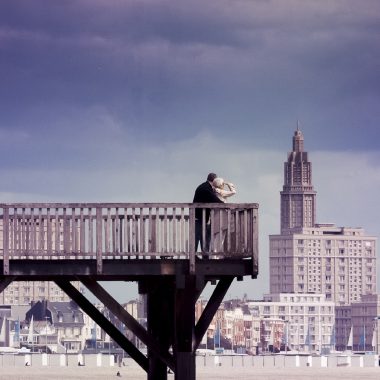
To this day, Le Havre offers a captivating mix of industrial and natural grandeur. There’s a remarkable feeling of space and light in this port city almost completely rebuilt after the terrible destruction wrought in World War II. Just a handful of historic buildings in the city centre survived the appalling devastation.
A modern architect with a big vision was placed in charge of the post-war reconstruction. Auguste Perret was one of the world’s pioneers in employing concrete. Not only was it cheap, he also reckoned he could achieve many new effects with it, as he proved. The overall design, though altered many times, turned out to be bold and grand. Perret’s modern transformation of Le Havre helped the place become the first modern city in France, and one of only two post-World War II cities to be recognised as a World Heritage Site by UNESCO.

Perret’s reconstructed city centre has been joined by a further few modern buildings, including the André Malraux Museum of Modern Art (MuMa) and Le Volcan arts centre, the latter designed by leading Brazilian architect Oscar Niemeyer. The most recent addition is the Bains des Docks, a state-of-the-art aquatic centre designed by award-winning architect firm Ateliers Jean Nouvel as part of an effort by Le Havre to revitalise its docklands.
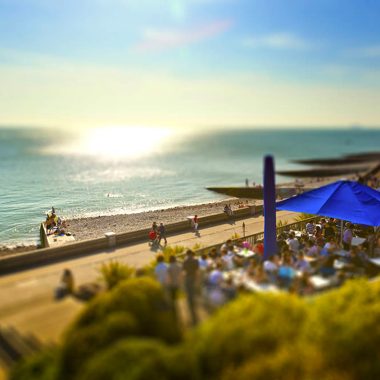
Just west of the docks, Le Havre faces directly out onto the Channel. Here you’ll find a large marina and vast shingle beach, where colourful beach huts, bars and restaurants line the promenade as far as Sainte-Adresse. Le Havre’s elegant next-door neighbour is home to the Dufayel building, which housed the exiled Belgian government in World War I, and a 19th-century fort turned public gardens boasting magnificent views of Le Havre and its port.
The true birthplace of Impressionism
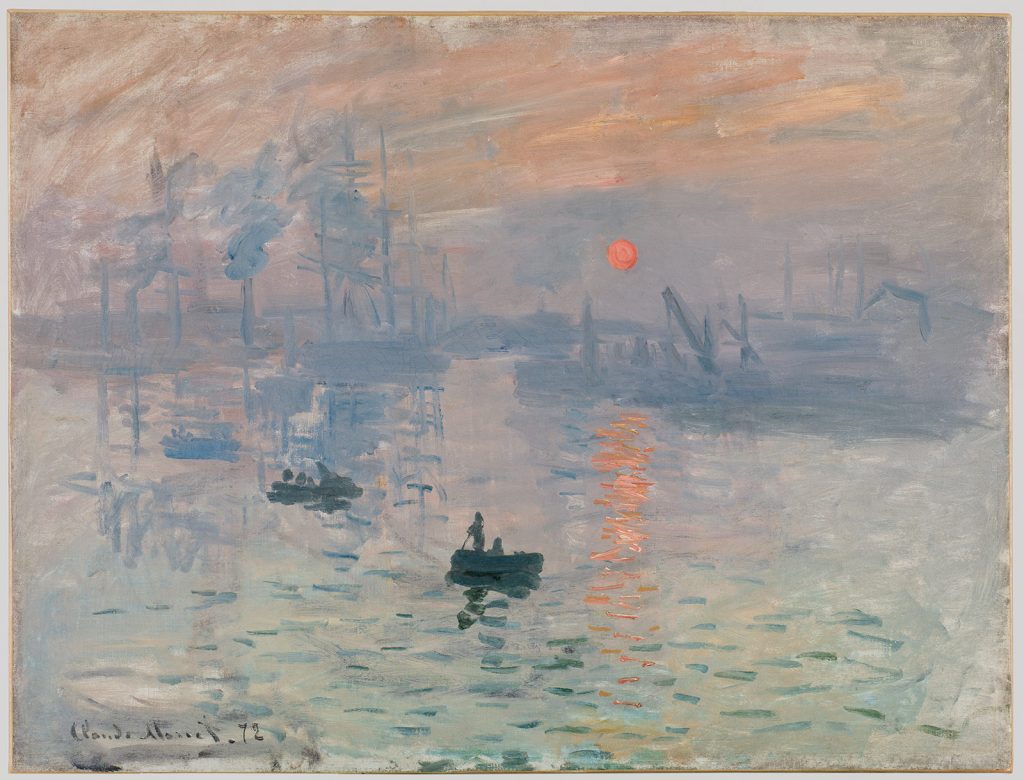
In 1872, local artist Claude Monet painted the sun rising through the industrial chimneys of Le Havre, and named his painting ‘Impression, Sunrise’. An unimpressed art critic dismissively dubbed Monet’s style ‘Impressionism’. The term stuck and became the name of what is surely now the best-loved art movement in the world.
Etretat and Honfleur a few kilometres away
During the week or out of season, when the site is at its quietest, we recommend spending a few hours or more in Étretat, less than 30 km from Le Havre. The unusual shapes of its cliffs and its romantic beach always leave visitors in awe. From Le Havre, on the other side of the Seine, cross the magnificent Pont de Normandie to Honfleur, a medieval town of exceptional charm.
A weekend in Le Havre
Out train trip ideas
Explore Normandy at your own pace and enjoy a more responsible holiday. You’ll also find some of our best addresses: hotels, restaurants and places to visit, all accessible without a car.

Major events in Le Havre
- Un Eté au Havre (A Summer in Le Havre): A major art festival with monumental sculptures, a permanent tour and ‘ephemeral’ works, opening ceremonies, exhibitions, etc.
- La Transat Jacques Vabre: A famous sailing race which takes place every other year
- Ouest Park, a modern music festival held in October
Plan your stay in Le Havre
Where to stay in and around Le Havre?
How do I get to Le Havre?
- By train – Le Havre station is approximately : 2 hours 30 minutes by train from Paris Saint-Lazare station / 45 minutes by train from Rouen Rive Droite station.
- By coach: routes 111, 122, 123 and 509 of the Nomad Car network serve Le Havre from Caen, Deauville, Honfleur or Fécamp. LiA line 13 runs between Etretat and Le Havre.
- DeLong-distance buses run between Le Havre and several major French cities (including Paris).
- By ferry: There are return ferry services between Portsmouth and Le Havre.
- By bike: Le Havre is crossed by the Vélomaritime, a route between Roscoff and Dunkirk, and by the Seine à Vélo, which links Paris with Deauville or Le Havre.
Getting around Le Havre
- Cycling: more than a means of transport, a real state of mind : Le Havre has a good network of cycle paths. You can also cycle along the seafront.
- The tramway : The modern tramway serves the suburbs and the city centre. End of the line: the beach!
Useful information for your stay
Market day in Le Havre
The most emblematic market takes place on Sunday mornings around the Halles centrales..