The best way to explore the 500 years of medieval Normandy is to start with the key sites associated with the period: the Mont Saint Michel, the Bayeux Tapestry, the ruins of Jumièges Abbey, the Château-Gaillard, and the medieval town of Domfront. And while you’re here, why not peruse our selection of the many great medieval fairs in the Duchy of Normandy?

A Little History
Medieval Normandy emerged in the 10th century from the encounter between the Vikings and the Kingdom of the Franks, before becoming one of the most powerful territories in Europe. A land of castles and abbeys, it saw the rise of William the Conqueror, the Norman duke who became King of England in 1066, forging lasting ties between the two sides of the Channel.
Coveted during the Hundred Years’ War and marked by the tragic fate of Joan of Arc in Rouen, Normandy established itself throughout the Middle Ages as a strategic and ambitious region, deeply shaped by a spirit of adventure and power.
Today, Normandy still bears the marks of this rich medieval heritage, which has helped shape its identity. From Caen to Falaise, from Rouen to Mont-Saint-Michel, traces of the past can be found everywhere. These stone monuments are more than historic remains: they tell a story that is still very much alive.
Things to see and do
Medieval sites in Normandy
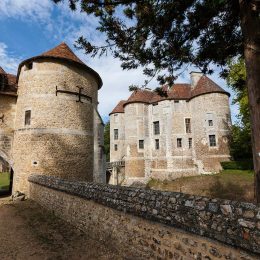
Taking an interest in Medieval Normandy means exploring a host of historic sites: abbeys, cathedrals, castles, their towers and ramparts. All of these sites provide opportunities to explore Normandy’s Viking heritage, its conquests and the Middle Ages in general.
William’s Towns: Falaise, Caen and Bayeux
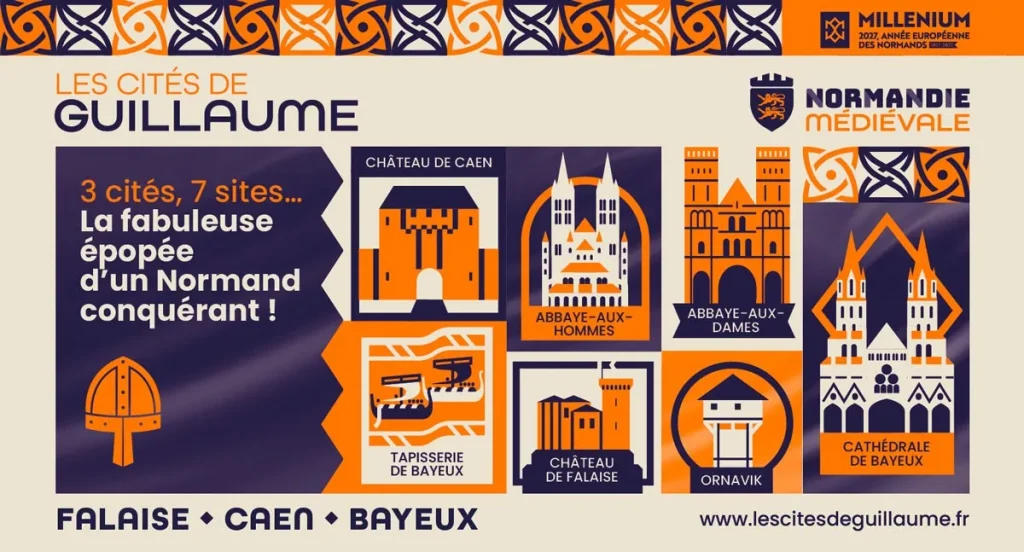
Three towns in the Calvados region, Falaise, Caen and Bayeux, share the heritage and history of William the Conqueror.
Together, these three historic towns tell the story of the Duke of Normandy who became King of England in 1066 through several major landmarks. William’s birthplace in Falaise, the abbeys and fortress of Caen, and the Bayeux Tapestry each reveal a chapter of this extraordinary story.

MILLENNIUM 2027: The European Year of the Normans
This year will mark the Millennium of the birth of William the Conqueror, Duke of Normandy who became King of England, and will celebrate the far-reaching influence that Normandy exercised across Europe for centuries.
The programme will feature more than 1,000 cultural, artistic, festive, sporting and gastronomic events organised across Normandy and seven neighbouring territories.
Medieval Normandy by Train
Step aboard for a journey through time and history. Several medieval towns and major heritage attractions can be reached easily from Normandy’s railway stations, making it simple to explore the region’s rich past and plan your next getaway.
Throughout the Year
-

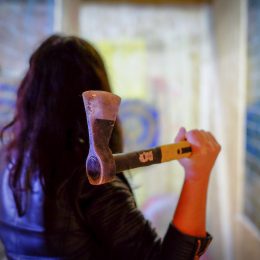
Medieval Murder Party, © Coline Goret -

Bayeux by night: guided tour: stories of the Normans and medieval Bayeux, © Evasions-Normandie
Things to see and do with kids
Medieval family fun

Why? Because history still resonates in these spectacular places, where characters with epic destinies have come and gone.
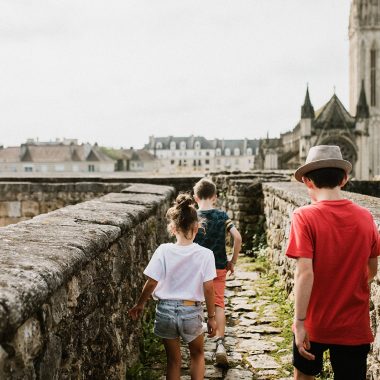
How? The remains of medieval fortifications bear witness to a rich and fascinating history. They come alive today through exhibitions, shows and immersive tours for young visitors.
Where? Remnants of the Middle Ages are everywhere in Normandy: along theRiver Seine, in the countryside, but also in many of the towns that were part of the Duchy of Normandy, such as Rouen, Caen, Bayeux and Falaise.
By train, by bike or on foot
Our top tips for weekends in the Normandy’s medieval towns
Explore Normandy at your own pace and enjoy a more responsible holiday. Discover our best addresses: hotels, restaurants and places to visit, all accessible without a car.


Leading figures and towns of the Middle Ages
Richard the Lionheart, William the Conqueror and Joan of Arc
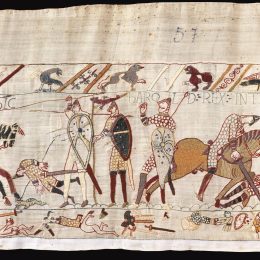
In the year 911, by the treaty of Saint-Clair-sur-Epte, King of the Franks, the unfortunately-named Charles ‘the Simple’, was constrained to concede to Rollo the Viking all his lands ‘from the Epte to the sea’. Some decades later, the Vikings, now the ‘Normans’, set about reorganising their vast domain. The inheritance would fall to William the Conqueror, born in Falaise in Normandy. In 1066, the Duke, by trial of battle at Hastings, would become King of England. The story is told in stunning detail in the Bayeux Tapestry.
His great-great grandson Richard the Lionheart was king for ten years, and it is to him that we owe the great Château-Gaillard in the Eure département.
The history of Joan of Arc is tragically intertwined with that of Rouen. Her trial was held here, and she would be burnt at the stake in the Old Market Square. The Joan of Arc Historial Museum in Rouen is devoted to her story.
Medieval activity ideas
Our selection of Normandy Experiences
A different way to discover the Middle Ages
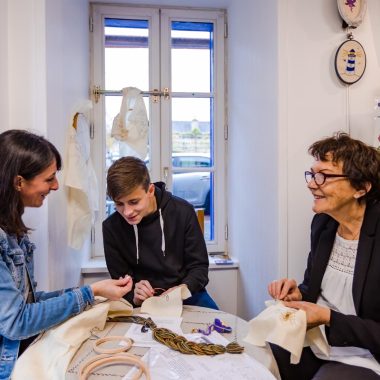
Normandy Experiences are local gems that add meaning to your trip. You’ll meet Normandy people who are truly passionate about what they do.
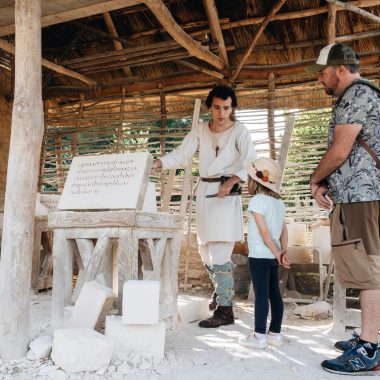
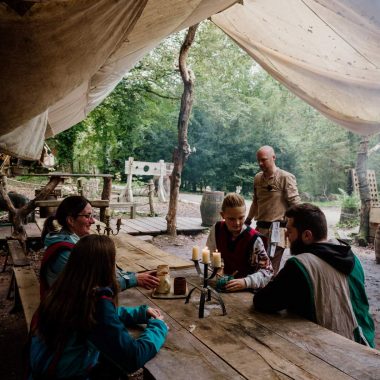
Viking adventures at Parc Ornavik
Hérouville-Saint-Clair
Other ideas for visits and outings
Sleep in a medieval castle or mansion
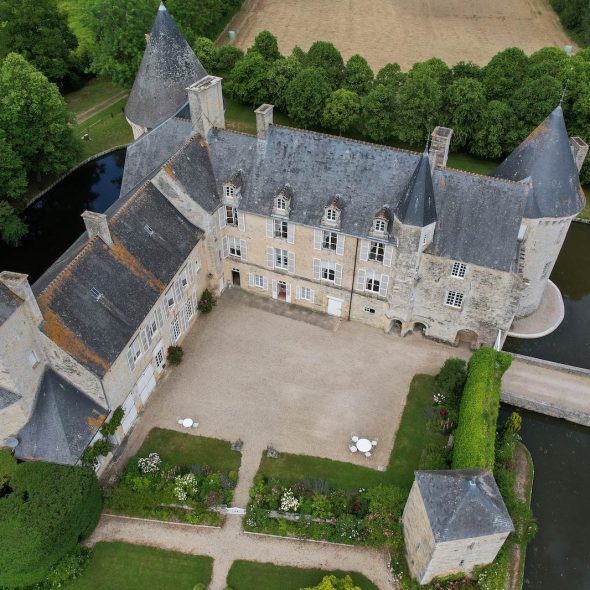
It’s possible to sleep in a fortified castle in Normandy! A land of medieval epics, our region has preserved a wealth of castles with their typical style and architecture. Some of them, particularly well preserved or renovated, now offer unique accommodation.