Normandy, rich in history and cultural heritage, proudly boasts several sites on the UNESCO World Heritage list. Join us as we explore these remarkable treasures, each offering unique experiences to enjoy throughout the year!
Travel sustainably, Experience fully
Explore UNESCO sites away from the crowds!
Some of these major sites can be quite crowded during the summer months and school holidays. For a more peaceful experience, we recommend visiting during the week or in the off-season, when these places regain their serene tranquility.
The D-Day Landing Beaches
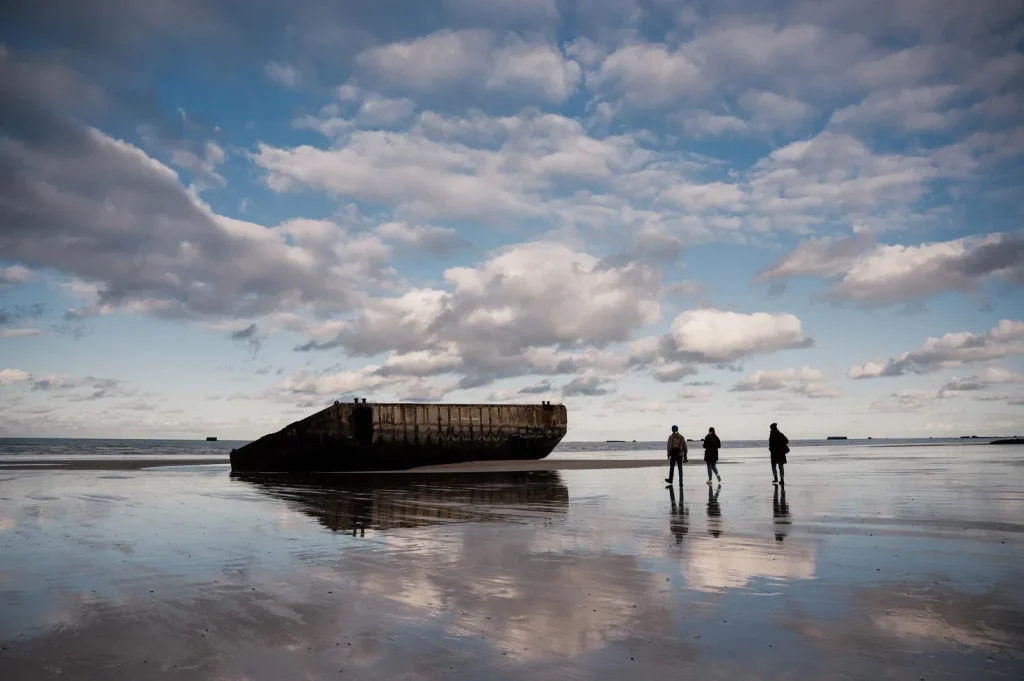
A symbol of freedom and courage, the D-Day Landing Beaches now convey a universal message of peace. During the night of June 6, 1944, more than 150,000 soldiers from around fifteen nations landed here, marking the beginning of three months of decisive fighting that led to the liberation of Normandy and, subsequently, Paris. Eighty-two years later, in the summer of 2026, the D-Day Landing Beaches were inscribed on the UNESCO World Heritage List. Six sites in the departments of Calvados and Manche are included: Utah Beach, Omaha Beach, Gold Beach, Juno Beach, Sword Beach, and Pointe du Hoc.
The Mont-Saint-Michel and its Bay

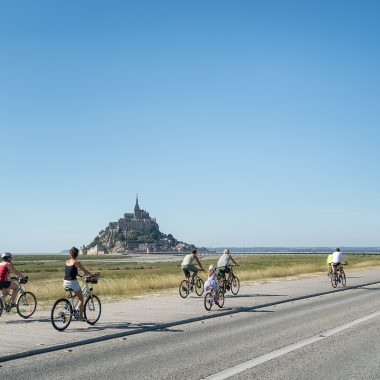
The “Wonder of the West” and its bay have been recognized as a UNESCO World Heritage site since 1979. This rocky islet, straddling the border between Normandy and Brittany, never fails to captivate, especially during high tides when Mont-Saint-Michel transforms back into an island. The access to the Mont has been thoughtfully redesigned in recent years, featuring a footbridge that blends seamlessly into the stunning landscape.
The highlight of any visit is undoubtedly the abbey, which offers breathtaking panoramas over the bay. For cycling enthusiasts, three major routes lead to this iconic destination: the Véloscénie, VéloWestNormandy, and the Vélomaritime® EuroVélo4. Additionally, crossing the bay on foot with a certified guide is regarded by many as an unforgettable experience.
A short-break at Mont-Saint-Michel
Our train travel suggestions
Explore Normandy at your own pace while embracing sustainable travel and reducing your carbon footprint. Discover our recommended spots—hotels, restaurants, and attractions—all easily accessible without a car, allowing you to fully immerse yourself in this beautiful region in an eco-friendly way.


The Vauban Towers

The fortifications designed by Louis XIV’s engineer, Sébastien Le Prestre de Vauban, have been inscribed as a UNESCO World Heritage site. In Normandy, two towers—one in Saint-Vaast-la-Hougue and the other on Tatihou Island—were built to protect the harbour of Saint-Vaast. Located along the coast of the Cotentin Peninsula, these Norman destinations offer a unique charm that feels like a world apart. Departing from Saint-Vaast, visitors can embark on an amphibious boat to reach Tatihou Island! In the summer, the island hosts a magical world music festival.Saint-Vaast-la-Hougue itself is a charming village known for its picturesque setting and rich maritime heritage.
Le Havre

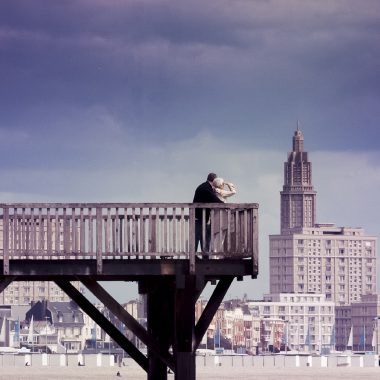
The city centre of Le Havre, which was largely destroyed during World War II, has been thoughtfully rebuilt according to the designs of architect Auguste Perret, making it a remarkable example of modern architecture. Key highlights include the impressive Saint-Joseph Church, known for its striking tower and stained-glass windows, and the equally captivating Volcan, a cultural venue that resembles a volcano. Since 2017, in celebration of the city’s 500th anniversary, monumental sculptures—both permanent and temporary—have been installed throughout the city, enhancing the unique charm of this vibrant port.
Just a short walk, bike ride, or tram ride from the city centre, the beautiful seafront awaits, featuring a long pebble beach and, in the distance, the hill of Sainte-Adresse, which is adorned with traditional beach huts and elegant villas. This area offers a perfect escape for leisurely strolls, cycling, and soaking in the coastal views.
A short-break in Havre
Our train travel suggestions
Explore Normandy at your own pace while embracing sustainable travel and reducing your carbon footprint. Discover our recommended spots—hotels, restaurants, and attractions—all easily accessible without a car, allowing you to fully immerse yourself in this beautiful region in an eco-friendly way.

The Bayeux Tapestry

The Bayeux Tapestry has been part of UNESCO’s Memory of the World register since 2007. This exquisite embroidery narrates the epic tale of William the Conqueror’s journey to England in 1066—an enormous 70-metre-long comic strip! This masterpiece of Romanesque art offers a unique glimpse into life in medieval Europe.
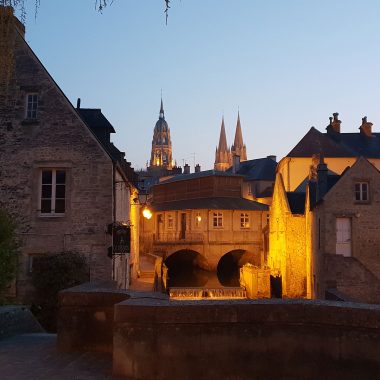
Nestled just a few kilometres from the D-Day Beaches, Bayeux is a captivating town, brimming with charm. Visitors can wander through its quaint cobbled streets and admire the majestic cathedral that stands proudly at its heart. A visit to Bayeux is not only a journey through history but also an invitation to savour the enchanting atmosphere of this remarkable town.
A short-break in Bayeux
Our train travel suggestions
Explore Normandy at your own pace while embracing sustainable travel and reducing your carbon footprint. Discover our recommended spots—hotels, restaurants, and attractions—all easily accessible without a car, allowing you to fully immerse yourself in this beautiful region in an eco-friendly way.

The Lace of Alençon

The art of Alençon lace-making is truly one of a kind, celebrated for its intricate beauty and recognized as an UNESCO Intangible Cultural Heritage. A dedicated museum invites visitors to delve into this exquisite craft. While in Alençon, be sure to wander through the enchanting streets of Old Alençon, a historic city once home to dukes. Don’t miss the chance to marvel at the stunning grain hall and the majestic basilica, where every corner tells a story of the past!
The Granville Carnival

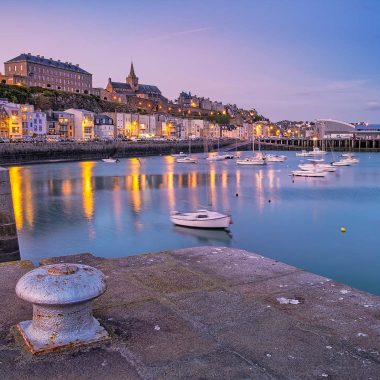
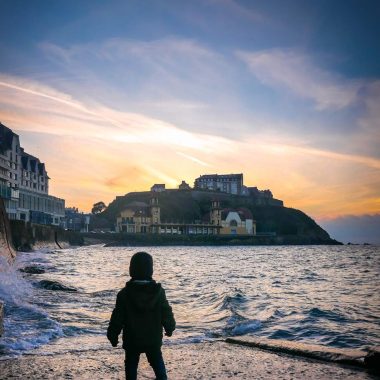
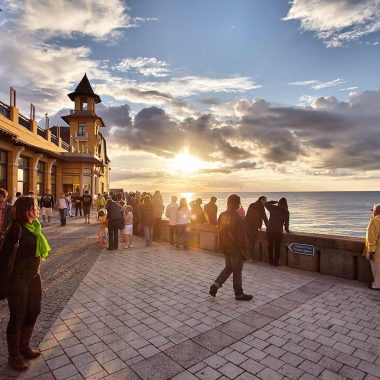
Granville hosts the largest carnival in western France, a dazzling spectacle that fills the coastal town with colour, music, and laughter each year. With its first edition dating back to 1875, this carnival is not only a feast for the senses but also a satirical celebration of local culture, recognised by UNESCO as part of the Intangible Cultural Heritage of Humanity in 2016. The lively parades, featuring elaborate floats and costumed revelers, invite visitors to join in the festivities. The sounds of drums and brass instruments echo through the air, complemented by traditional dances and delicious local cuisine, creating an infectious atmosphere that captivates all. Granville’s rich and original cultural programming enhances the experience, making it a must-see event for anyone seeking to immerse themselves in Normandy’s festive spirit.
And just across from the ramparts of the Haute Ville, the enchanting Chausey Islands beckon, offering a perfect escape for those looking to explore the natural beauty surrounding this vibrant carnival!
A short-break in Granville
Our train travel suggestions
Explore Normandy at your own pace while embracing sustainable travel and reducing your carbon footprint. Discover our recommended spots—hotels, restaurants, and attractions—all easily accessible without a car, allowing you to fully immerse yourself in this beautiful region in an eco-friendly way.
The French Gastronomic Meal

Recognised in 2010 on the Representative List of the Intangible Cultural Heritage of Humanity, French gastronomy is an integral part of the national heritage. Normandy is renowned for its rich culinary offerings, including velvety cream, exquisite cheeses, succulent scallops, crisp cider, and aromatic calvados, along with a wealth of other locally sourced products.
In late 2021, Rouen was designated a UNESCO Creative City, becoming the first French city honoured for its contributions to gastronomy. This accolade highlights Rouen’s commitment to preserving and promoting its culinary traditions, making it a must-visit destination for food enthusiasts eager to explore the flavours of Normandy and beyond.
Normandy-Maine: Regional Nature Park and UNESCO Global Geopark

The label awarded in 2024 acknowledges the park’s dedicated work in preserving and enhancing the natural, cultural, and intangible heritage of the region. This recognition highlights the park’s commitment to addressing pressing issues such as climate change and biodiversity loss, ensuring that both the environment and the rich cultural traditions of the area are safeguarded for future generations.