

Juno Beach is situated in the Canadian sector, a name code assigned by the Allies during the pivotal D-Day liberation of Normandy. This iconic stretch of coastline extends from Bernières-sur-Mer to Courseulles-sur-Mer in Calvados, inviting visitors to explore its profound historical significance and connect with the stories of bravery that shaped the course of history.
The assault on Juno Beach
Between the British beaches of Gold and Sword lies Juno Beach, the sector of the Normandy coastline assigned to the Canadians. This stretch of shore was once home to bustling coastal villages, which blossomed into charming seaside resorts by the late 19th century. Unlike other sectors, Juno Beach was not fortified with heavy batteries; instead, it featured a series of smaller defensive positions scattered along the shoreline. These included anti-tank guns and machine guns, often installed on seawalls to create a deadly crossfire sweeping the sands.
The daunting task of capturing Juno Beach fell to General Keller’s 3rd Canadian Infantry Division. Their assault was bolstered by the tanks of the 2nd Canadian Armoured Brigade and supported on their left flank by the British 48th Royal Marine Commando. Together, they faced a formidable challenge, but their courage and determination would help turn the tide of history.

The Canadians faced particularly harsh conditions as they approached Juno Beach. Rough seas and perilous coastal reefs delayed the landing craft carrying the first assault wave. By the time the landings began, around 8 a.m., the rising tide had submerged much of the beach’s defensive obstacles, turning them into lethal hazards. As landing craft shuttled back and forth, many struck mines attached to wooden stakes embedded in the sand, wreaking havoc on the advancing forces. The combination of natural and man-made challenges turned the approach into a deadly gauntlet, testing the mettle of every soldier who braved the unforgiving waters that morning.
What to visit in the Canadian sector of Juno Beach?
01
Juno Beach Centre
Just steps from the shoreline, the Juno Beach Centre stands as a poignant tribute to the thousands of Canadian soldiers who fought in the Second World War, particularly during the Normandy campaign.
Visitors arriving by bike, train, or coach can take advantage of a special low-carbon discount, encouraging eco-friendly travel while exploring this remarkable site of remembrance.
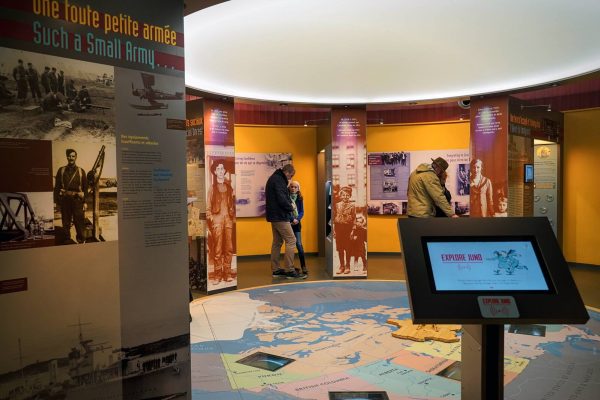
Experience D-Day from a new perspective
Our selection of Normandy Experiences related to D-Day
Normandy Experiences are unique local activities that will bring depth and meaning to your journey. Meet passionate and inspiring Normans along the way as you explore Normandy off the beaten path.
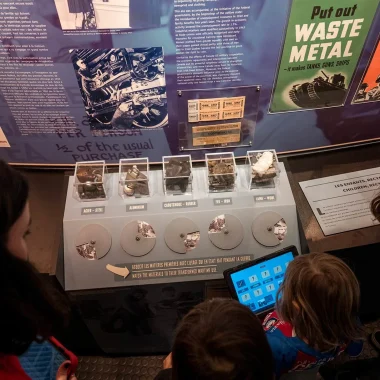
Family Day at Juno in the footsteps of Canadian Soldiers
Courseulles-sur-Mer

Courseulles-sur-Mer
Useful Information for your trip

Save up on attractions with the Explore Normandy Pass
Visit more and spend less with the Explore Normandy Pass! Gain free access to exclusive content and, for just €1, enjoy exceptional discounts at over 70 sites and museums dedicated to D-Day in Normandy.
Frequently Asked Questions
Why the name Juno Beach?
This landing sector was originally intended to be named “Jellyfish,” to rhyme with Goldfish (later shortened to Gold) and Swordfish (shortened to Sword). However, both Montgomery and Churchill vetoed the name “Jelly.” Instead, the beach was renamed Juno, after the wife of Lieutenant-Colonel Dawney, ensuring a more dignified title for this historic battlefield.
Who landed on Juno Beach?
At 7:35 a.m. on June 6, 1944, a combined force of 21,400 Canadian and British troops landed on Juno Beach, marking a pivotal moment in the D-Day invasion.
What is the nearest major city to Juno Beach?
The Juno Beach sector encompasses the areas around Courseulles-sur-Mer, Saint-Aubin-sur-Mer, and Bernières-sur-Mer in the Calvados department. The nearest major Norman city is Caen, which is easily accessible by train, making it a convenient gateway for visitors exploring this historic coastline.