In the aftermath of the Second World War, which left many Norman towns in ruins, the urgent need for reconstruction arose. Rather than merely replicating what had been lost, the decision was made to seize this opportunity to modernise France. For years, post-war architecture, often overlooked or misunderstood, has recently gained a newfound appreciation. In 2019, a label was even established: “Heritage of Reconstruction in Normandy.” This movement has sparked a resurgence of interest in the innovative designs and bold visions that emerged during this transformative period. Which cities stand out as the most emblematic to visit? Let’s explore the remarkable stories and sites that await.
The fundamental principles of Reconstruction


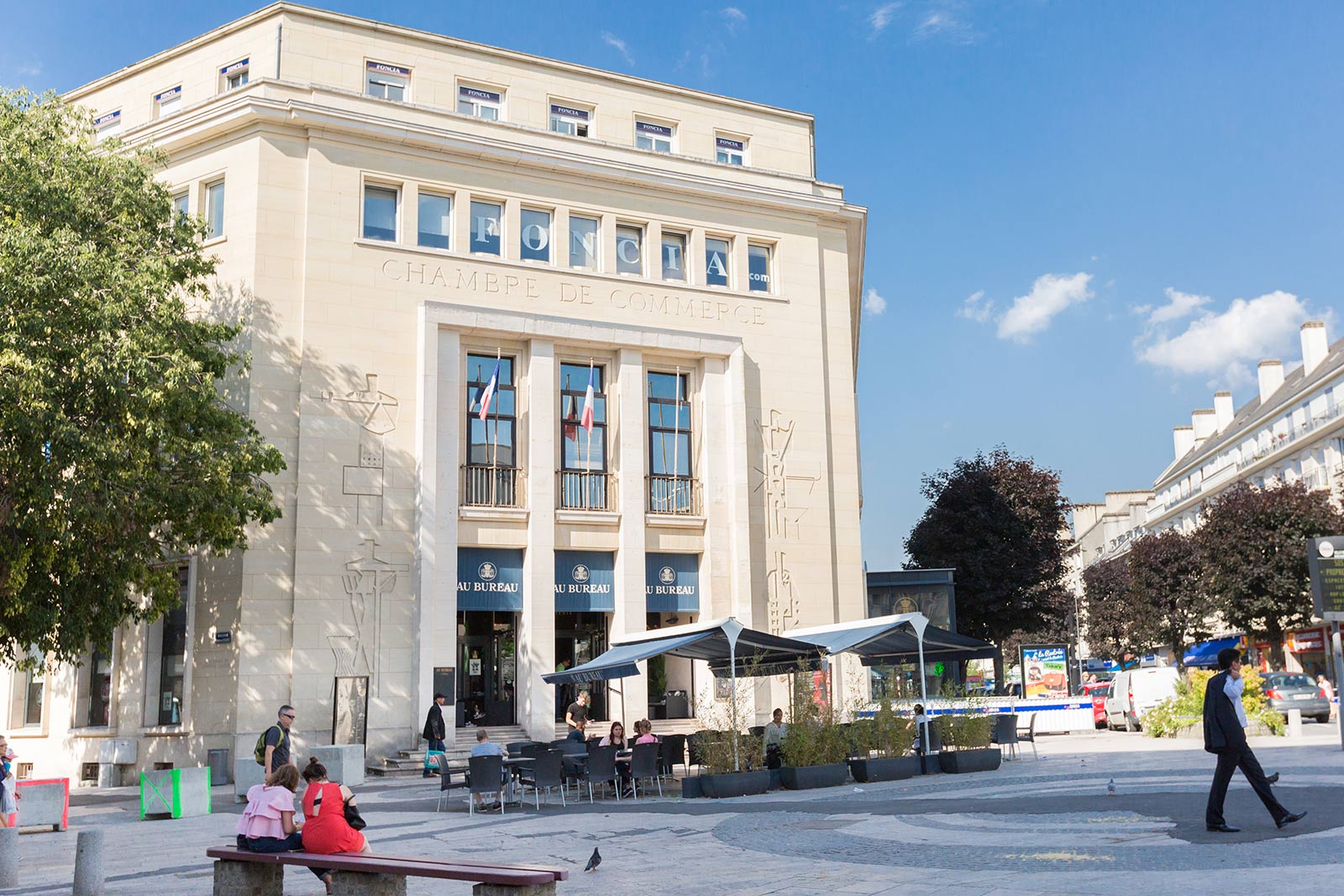
After the victory, it was time to heal wounds and erase the scars left by the war. The population had endured massive bombardments, with some cities like Le Havre, Caen, and Saint-Lô suffering destruction rates exceeding 80%. The devastation was widespread across the entire French territory. As a result, the Reconstruction became a “national priority.” The government took responsibility for all expenses, seeing it as an opportunity to modernise France. Transformation and modernisation were key goals, but the aim was not to replicate what had been lost.
Three major architectural movements defined this transformative period: regionalism, exemplified in places like Les Andelys in the Eure; structural classicism, as showcased in Auguste Perret’s design of Le Havre; and the avant-garde, characterized by innovative, curvilinear buildings and unique designs, with Caudebec standing as a prime example. The first residential developments began to emerge around 1950, marking a significant shift in both architecture and society. These new constructions not only provided housing but also reflected changing social dynamics. Inside these homes, renowned French designers such as René Gabriel and Marcel Gascoin crafted furniture specifically tailored to fit these modern spaces, encompassing everything from temporary emergency furnishings for makeshift accommodations to thoughtfully designed pieces for permanent residences. This period of reconstruction not only rebuilt cities but also laid the groundwork for a new way of living in post-war France
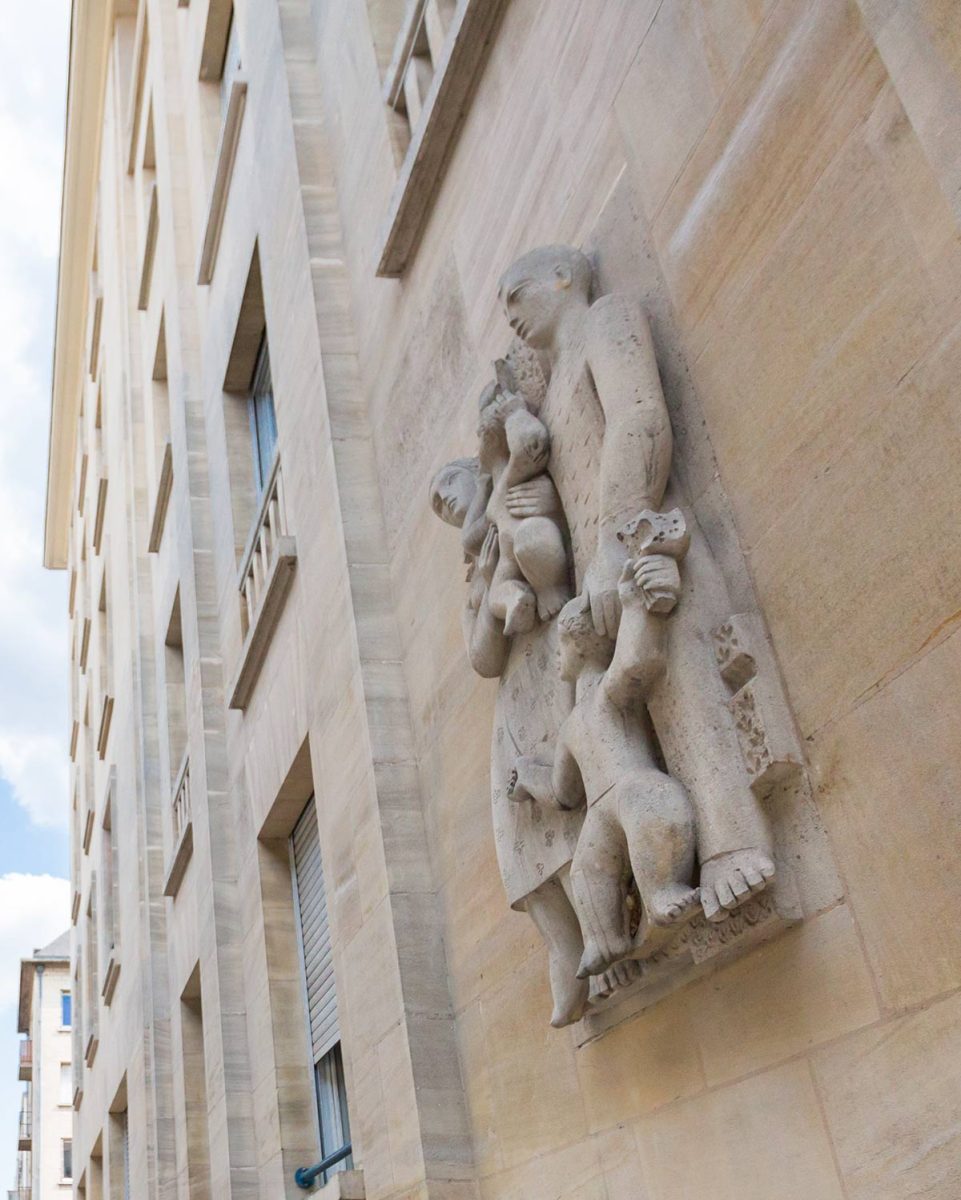
In the heart of Vire, Calvados, the town hall stands as a proud historic monument—the first municipal building from the Reconstruction era to be listed. As you admire its façade, take a moment to appreciate the stunning bas-relief. Its title “Allegory of the City of Vire rising from its ruins,” is a beautiful symbol of rebirth and renewal that captures the spirit of a community rising from the ashes.
Focus on the label “Heritage of Reconstruction in Normandy”
Towns and cities holding the label commit to changing perceptions of this heritage through public awareness initiatives, such as exhibitions and guided tours, as well as preservation efforts. To date, ten cities have received this label: Flers, Trévières, Caen, Évreux, Le Havre, Les Monts-d’Aunay, Rives-en-Seine, Saint-Lô, Saint-Hilaire-du-Harcouët, and Vire.
When you think of Reconstruction, Le Havre often springs to mind, a city that has magnificently highlighted its exceptional heritage. Here, you can explore the Perret model apartment, with guided tours running three to four times a day, or visit the Maison du Patrimoine . Be sure to check out the 17th floor of the town hall, where you can marvel at the stunning views of the city centre, a UNESCO World Heritage site reconstructed by Perret.
Travel to Trévières, a charming town in the Isigny-Omaha area, where the echoes of the past linger on. One poignant reminder is the war memorial statue, “disfigured” during the Second World War, which stands proudly as a testament to resilience and remembrance. Throughout the year, guided tours reveal the town’s unique post-war architecture, including its distinctive cinema. In the Manche department, take part in tours such as “Saint-Hilaire-du-Harcouët: a town destroyed, a town rebuilt”, which delve into the urban planning strategies that shaped its recovery. If the theme of Reconstruction piques your interest, Normandy is undoubtedly the destination that will enrich your journey.
3 Questions for Patrice Gourbin
Lecturer and Doctor in “History and Architectural Cultures” at the National School of Architecture of Normandy, he participated in establishing the “Heritage of Reconstruction in Normandy” label and is a member of the labelling committee.
Key Highlights of the Reconstruction
The reconstruction is a process of transformation rather than mere replication, embodying a vision for renewal. It allows for the implementation of long-held dreams that had been postponed for half a century. At that time, there was a notable lag in terms of comfort and hygiene standards, prompting a comprehensive overhaul of water and sanitation systems. The establishment of a Ministry of Reconstruction and Urbanism marked a significant step forward, as entire regions of France lay in ruins. This reconstruction era became a canvas for experimentation, driven by genuine ambition. Often featuring luxurious materials, the constructions were sometimes costly. The process spanned a considerable period—from 1947 to 1955—taking longer than many survivors had hoped, particularly in the city centres.
Exploring the architecture of Reconstruction in Normandy: where to start?
Every significant city suffered damage, highlighting the diverse nature of the Reconstruction. No place is quite like Le Havre, which stands out as truly unique. In contrast, Caudebec-en-Caux exemplifies the quality of materials and design, showcasing its modernist blocks. Meanwhile, Lisieux presents a blend of more traditional and modernist constructions, reflecting the varied architectural responses to the post-war rebuilding efforts.
Museum visits (permanent exhibitions) or guided tours to recommend?
In Saint-Lô and Vire, visitors can immerse in the rich history of these cities through engaging exhibitions and themed museum tours. They can explore the architectural heritage of Trévières, Aunay-sur-Odon, and Flers on guided tours that reveal the stories behind their post-war transformations. The visit of the iconic Perret apartment in Le Havre is fantastic, a true gem that showcases the innovative spirit of the era.
As Patrice beautifully puts it, “The label allows us to take ownership of this part of history.” He also offers guided tours in collaboration with the Caen Tourist Office, inviting you to delve deeper into the fascinating narrative of Reconstruction in Normandy.
If you’re passionate about this subject, we recommend starting with the book by Patrice Gourbin ( in French) on Villers-Bocage.
Useful Information
Reconstruction Heritage Label in Normandy
This label, known as “Label Patrimoine de la Reconstruction en Normandie,” recognizes and promotes the unique architectural heritage resulting from the post-World War II reconstruction efforts in Normandy.
- Flers (Orne)
- Trévières (Calvados)
- Caen (Calvados)
- Evreux ( Eure)
- Les Monts d’Aunay (Calvados)
- Le Havre (Seine-Maritime)
- Rives-en-Seine
- Saint-Lô (Manche) : Download leaflet about Reconstruction Architecture Download leaflet about Reconstruction Architecture itinerary (pdf)
- Saint-Hilaire-du-Harcouët (Manche)
- Vire Normandie