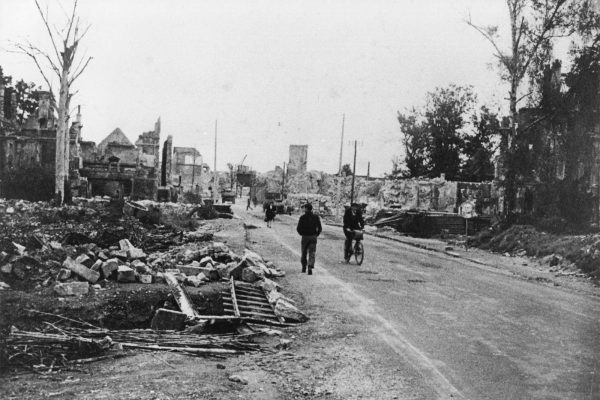
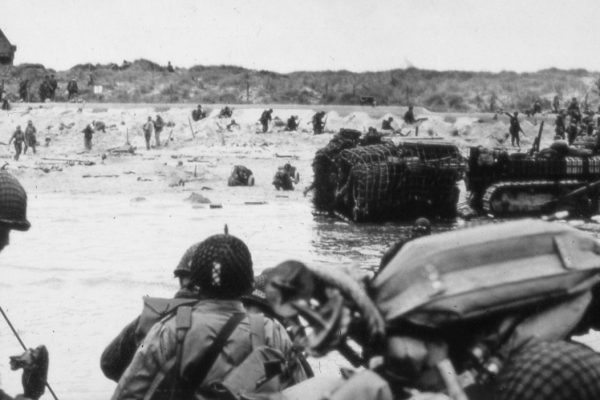
On 6th June 1944, men from around the world came to Normandy to fight against Nazism and restore freedom. The D-Day operation unfolded in three key stages: airborne landings from Utah to Sword Beach, intense aerial and naval bombardments on the Atlantic Wall, and the seaborne assaults on five beaches—Utah, Omaha, Gold, Juno, and Sword—as well as the daring attack on Pointe du Hoc. Each moment was a testament to extraordinary courage and unimaginable sacrifice, etched forever into the history of freedom
01
After the disastrous of Dieppe raid, the Allies prepare for D-Day
Dieppe
The raid on Dieppe on August 19, 1942, known as Operation Jubilee, resulted in a devastating loss of life. The failure of this operation would be exploited by Nazi propaganda to demonstrate the invincibility of the Atlantic Wall.

02
The Landing Beaches
Utah Beach, Omaha Beach, Gold Beach, Juno Beach, Sword Beach
The D-Day landings on the beaches of Normandy on June 6, 1944, marked the largest amphibious and airborne operation in history, a pivotal moment in World War II that began the liberation of Western Europe from Nazi occupation.
03
The first liberated towns
Bayeux, Cherbourg, Saint-Lô, Caen
The paratroopers aimed to capture the bridges in the towns to secure the area and facilitate the landing of the main forces on the beaches.

04
The Falaise Pocket
Chambois
August 1944 marked the conclusion of the Battle of Normandy with the encirclement of the 5th and 7th German Armies in the Falaise Pocket. This critical operation was a decisive moment in the campaign, as Allied forces aimed to trap the retreating German troops, severely crippling their ability to regroup and resist. The resulting defeat was a significant blow to German forces, hastening the liberation of France and paving the way for the Allied advance into occupied Europe.

05
Normandy will long bear the scars of war
In Normandy
During the height of the conflict, civilian casualties in Normandy were staggering. As the fighting intensified, many residents sought refuge in cellars and quarries, desperately trying to escape the relentless bombing. The chaos forced thousands to flee their homes, leading to a mass exodus of families trying to find safety from the violence that engulfed their communities.