While the great events of 6th June 1944 are world-famous, D-Day is also full of equally fascinating stories of life. Here are 10 of them.
Joseph Arruda and his brother Manuel
One of 12 children, Joseph Arruda landed on Utah Beach with the 4th Infantry Division on 6 June 1944. His brother Manuel was with the 1st Infantry Division in an engineering unit on Omaha Beach. Both died on the same day. Their Bible, wrapped in a plastic bag, was found a few days later.
Charles Norman Shay, a native American and a combat medic
500 Native Americans took part in D-Day, including Charles Norman Shay, a young military medic from the Penobscot Nation. He landed in the first wave and dived into the water several times to help the wounded. He was awarded the Silver Star for gallantry on 6th June and continued his career until 1945 and during the Korean War.
Robert E. De Luca
Robert E. De Luca, a member of the Merchant Navy, volunteered on 6th June to replace one of his sick comrades. Killed by gunfire as the barge opened, his body fell overboard and was not found until 5 months later on Omaha Beach.
Lord Lovat and Bill Millin, bagpipers
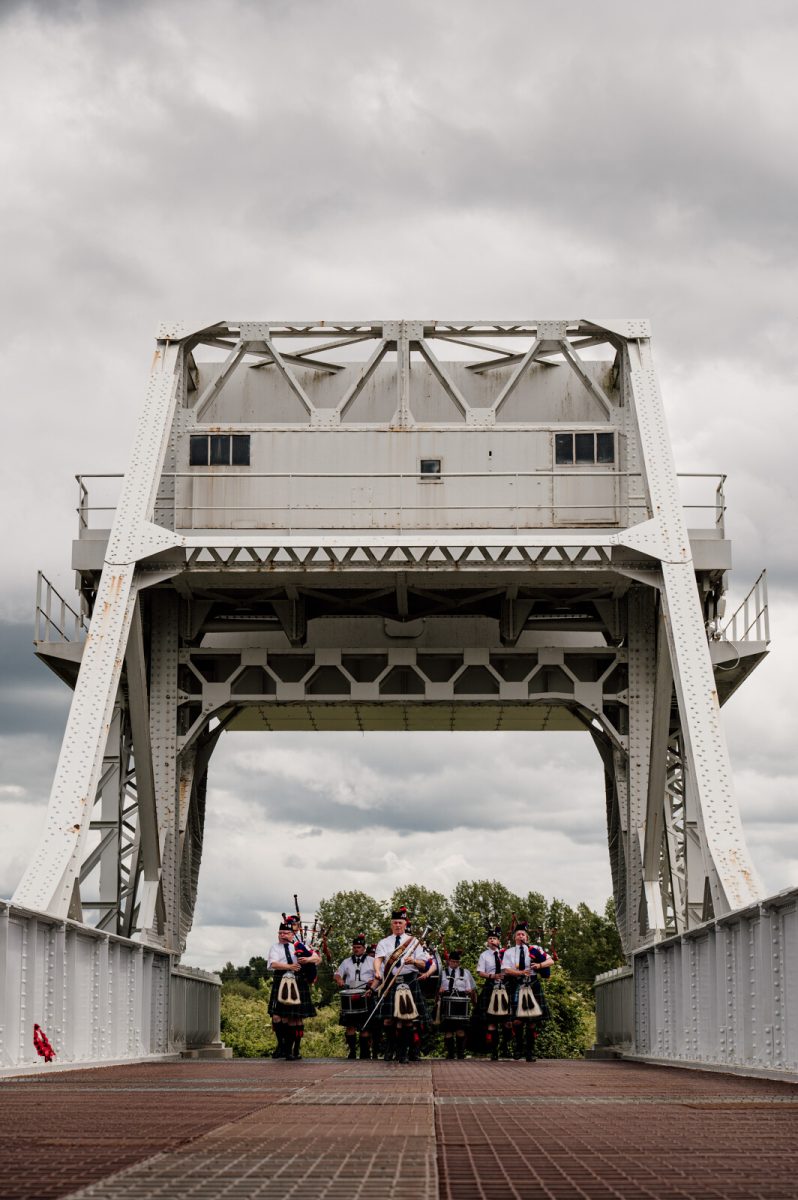
Since the First World War, the British High Command had banned pipers from playing at the front. However, Lord Lovat is reported to have said to his personal piper, Bill Millin: “You and I are Scottish and it’s an English decree… It therefore doesn’t concern us!” So the 21-year-old took his bagpipes under his arm as he left the landing barge and played them to encourage his comrades. His bravery is illustrated in the Longest Day scene, where he is seen crossing the Pegasus Bridge.
Jean Hébert and Denys Boudard
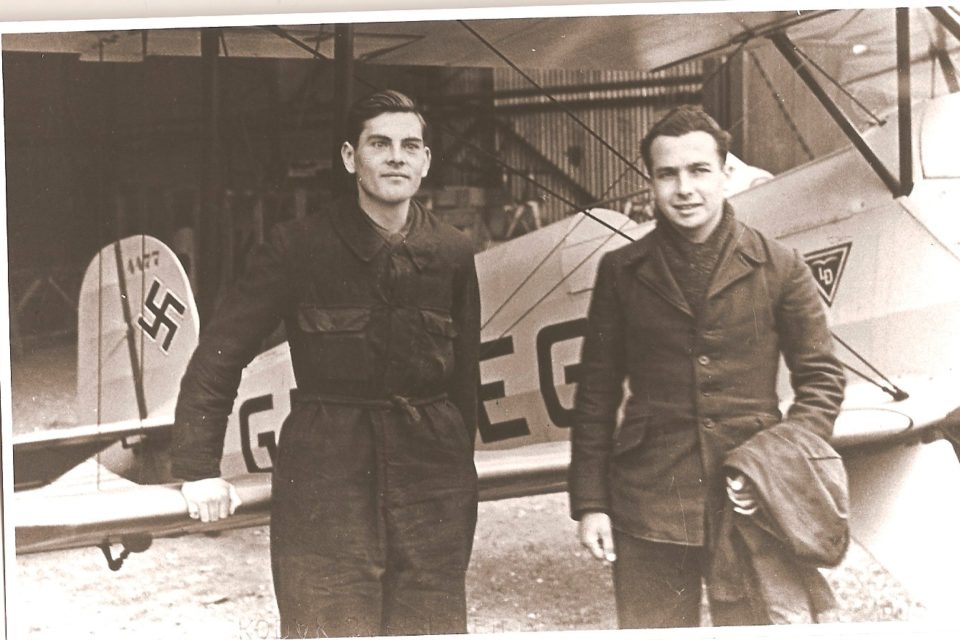
This is the story of two very determined friends, Jean Hébert and Denys Boudard, who steal a German biplane to join Charles De Gaulle across the English Channel. Jean died in 1943. Denys, who had joined the FAFL, took part in three bombing raids on Caen on 6 June. He said he was thinking of his family and friends and of Jean, who had never known the joy of participating in the liberation on his 3rd mission.
Father Seaman
On 6th June, military chaplains assisted the medical units and administered the last rites. One of them, Father Seaman, returned to French soil shortly after D-Day. On 14 July 1944, during the battle of Caen, he was hit by enemy shrapnel while helping the wounded. He died on 21 July, his tenth wedding anniversary, leaving a widow and two small children.
320th anti-aircraft barrage balloon battalion
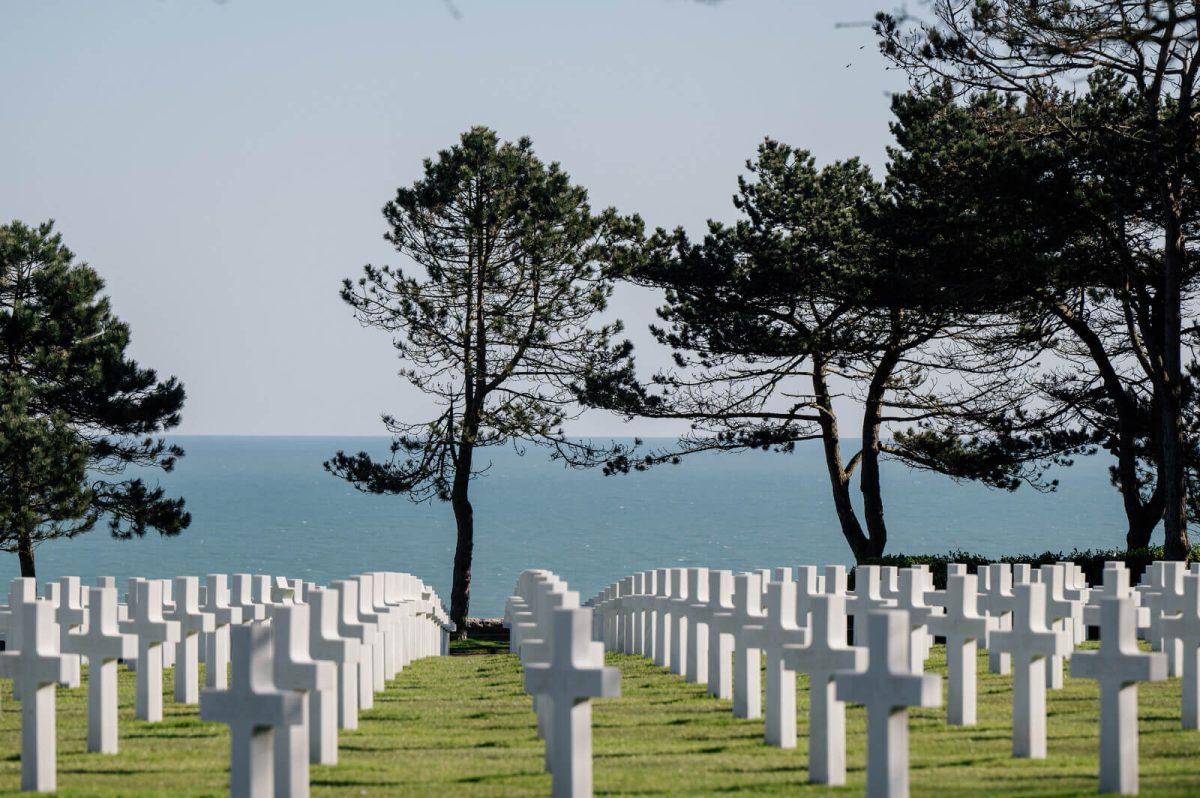
The history of the 320th Anti-Aircraft Barrage Balloon Battalion is little known. The only unit made up entirely of African-American soldiers on 6th June 1944, its mission was to protect troops from enemy air raids using hydrogen-filled rubber balloons attached to a winch by steel cables. Three soldiers from this brigade are buried in the American cemetery at Colleville-sur-Mer.
Anton Elvesaeter
Born in a Norwegian fishing village, Anton Elvesaeter became a naturalised American citizen in 1943. On D-Day, at the age of 38, he stepped on a mine on the island of Saint-Marcouf. He was the first American casualty in the Utah sector.
Bing, the parachuting dog
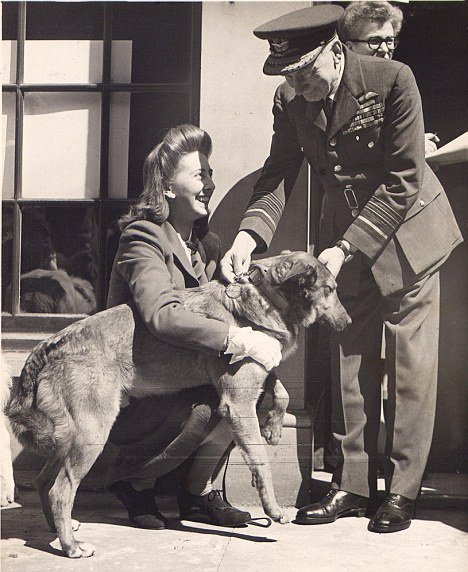
Have you ever heard of Bing, the German Shepherd who parachuted on6th June 1944? He was one of the parachuting dogs of the 13th Parachute Regiment and Airborne Forces dropped on Juno Beach. Frightened during the flight, he hid under a seat. His jump went badly and he ended up hanging from a tree. Although wounded, he continued his work as a mine clearance officer, even saving lives during Operation Varsity in 1945. His bravery was rewarded with the Dickin Medal in 1947.
Martha Gellhorn
156,000 men and one woman! Without accreditation, Martha Gellhorn, correspondent for Collier’s Weekly, hid in the toilets of a hospital ship opposite Omaha Beach on 6th June 1944 to cover the landings in real time. Determined to be there, she disguised herself as a stretcher-bearer so she could disembark. She became the first woman to cover the D-Day Landings!
Thematics