In the summer of 1944, the people of Lower Normandy found themselves ensnared in the grip of a monumental battle. By July, as the conflict reached its peak, more than two million soldiers confronted one another—twice the combined population of the Calvados and Manche regions. The civilian toll was devastating; in a desperate bid to escape the relentless bombings, many sought refuge in cellars, quarries, and makeshift trenches. The roads became treacherous escape routes, rife with the perils of aerial strafing. Yet, amidst the chaos, the indomitable spirit of the local population shone brightly, a testament to their resilience in the face of unimaginable hardships.
The long-awaited liberation…
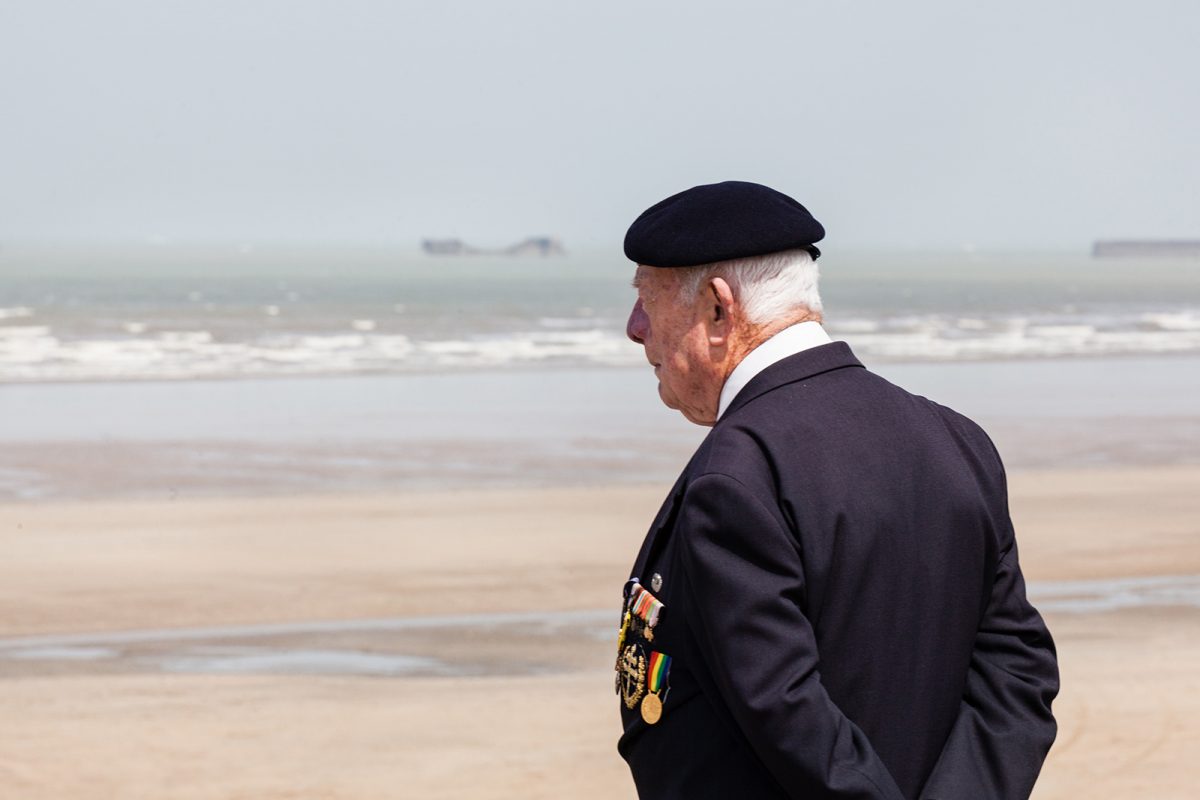
The Battle of Normandy endures for nearly three months, far longer than the Allied strategists had anticipated. The liberation of the towns unfolds slowly and gradually, as the Normans finally encounter the liberating soldiers they have awaited for so long. Yet, the scars of battle and the devastation of bombing have left too many ruins and deep sorrows to allow for an unrestrained celebration of liberation. Everywhere, the local population warmly welcomes their liberators, sharing the region’s famed cider and calvados, while the Normans rediscover the simple pleasures of chocolate and tobacco.
Due to the protracted nature of the Battle of Normandy, many towns situated away from the coast had to wait a considerable time for the arrival of the troops.The complete liberation of the Manche department did not occur until August 15. Starting from August 21, the Orne department was liberated. For Calvados, the last town to regain its freedom was Honfleur on August 25.
The Normans finally encounter the liberating soldiers they have waited for so long, a moment filled with relief and hope after years of suffering and uncertainty.
Sites and Museums of D-Day and the Battle of Normandy
-
-
Photo 1 -
Photo 2 -
Photo 3 -
Photo 4 -
Photo 5
-
-
Cimetière Militaire Allemand
Historic sites and monuments
-
Photo 1, © Pays d'art et d'histoire du Pays d'Auge -
Photo 2, © Pays d'art et d'histoire du Pays d'Auge
-
-
Cimetière Militaire Britannique
Historic sites and monuments
-
Photo 1, © OTPV -
Photo 2, © OTPV -
Photo 3, © OTPV -
Photo 4, © OTPV -
Photo 5, © OTPV
-


